

Email marketing and email automation are often confused. They are, however, distinct concepts.
Understanding the difference is crucial for effective digital marketing. Email marketing involves sending emails to a targeted list of recipients. It aims to promote products, services, or build relationships with potential customers. Email automation, on the other hand, uses software to send emails automatically based on specific triggers or schedules.
This makes the process more efficient and personalized. In today’s digital age, businesses need to leverage both strategies. Email marketing helps in crafting compelling messages for audiences. Email automation enhances the efficiency of these campaigns. By combining both, businesses can reach their audience more effectively and efficiently. Let’s explore the differences and how each can benefit your marketing efforts.
Introduction To Email Strategies :
Email strategies are crucial for any business. They help in reaching and engaging with your audience. Two common methods are email marketing and email automation. Both have distinct purposes and advantages. Let’s explore these strategies in detail.
Purpose Of Email Marketing
Email marketing is about sending targeted messages to your audience. Its main goal is to promote products, services, or events. This type of email aims to build a relationship with your customers.
Here are some key objectives of email marketing:
- Promote Products: Inform customers about new or existing products.
- Increase Sales: Encourage purchases through special offers and discounts.
- Build Relationships: Engage with your audience to build trust.
- Brand Awareness: Keep your brand on top of the customer’s mind.
In email marketing, the content is personalized and relevant. It aims to motivate the recipient to take action.
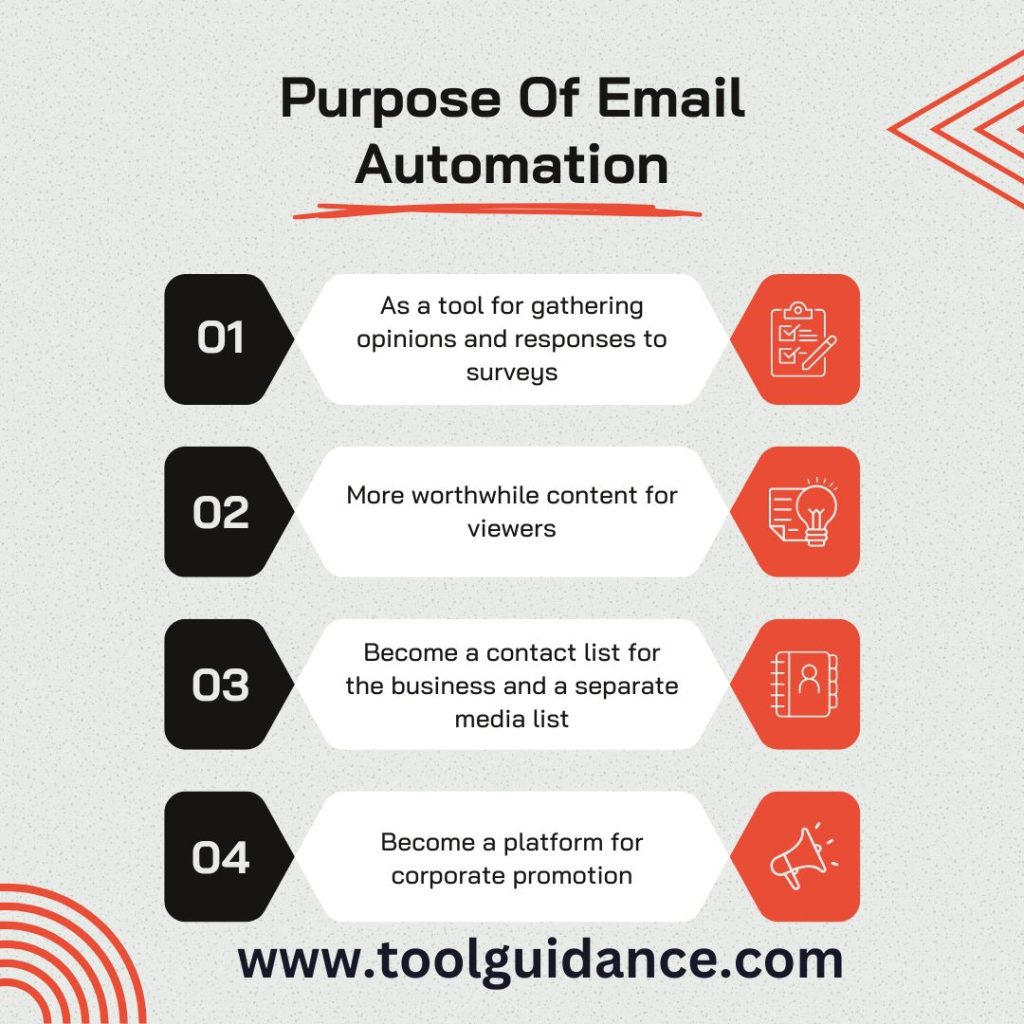
Purpose Of Email Automation
Email automation focuses on streamlining your email communications. It uses software to send emails based on specific triggers. This method saves time and ensures timely delivery of messages.
Here are some key objectives of email automation:
- Save Time: Automate repetitive tasks to focus on other activities.
- Increase Efficiency: Ensure emails are sent at the right time.
- Nurture Leads: Send targeted messages based on user actions.
- Improve Customer Experience: Provide timely and relevant information.
With email automation, you can set up workflows. These workflows trigger emails based on user behavior. This ensures a personalized experience for each recipient.
Contents
Core Concepts
Understanding the core concepts of Email Marketing and Email Automation is essential for any business. Both methods involve sending emails to potential and existing customers. Yet, they serve different purposes and use different techniques. Let’s dive into the basics of each to understand their unique roles.
Email Marketing Basics
Email marketing is a strategy for sending emails to a list of subscribers. These emails can include newsletters, promotional offers, and updates. The goal is to engage customers and drive sales. The process involves:
- Creating engaging content
- Segmenting the audience
- Scheduling email campaigns
- Tracking open and click rates
Email marketing allows businesses to reach a wide audience. It’s a direct way to communicate with customers. Businesses can personalize messages to improve engagement. This method requires a clear plan and consistent effort.
Email Automation Basics
Email automation, on the other hand, is the use of software to send emails automatically. These emails are triggered by specific actions or time intervals. Examples include:
- Welcome emails for new subscribers
- Abandoned cart reminders
- Birthday or anniversary messages
- Follow-up emails post-purchase
Automation saves time and ensures timely communication. It helps maintain customer relationships without constant manual effort. The key features of email automation include:
- Pre-set workflows
- Behavioral triggers
- Personalized content based on user actions
- Analytics and performance tracking
Email automation allows for more consistent and relevant messaging. It improves customer experience by delivering timely and personalized content.
Key Differences
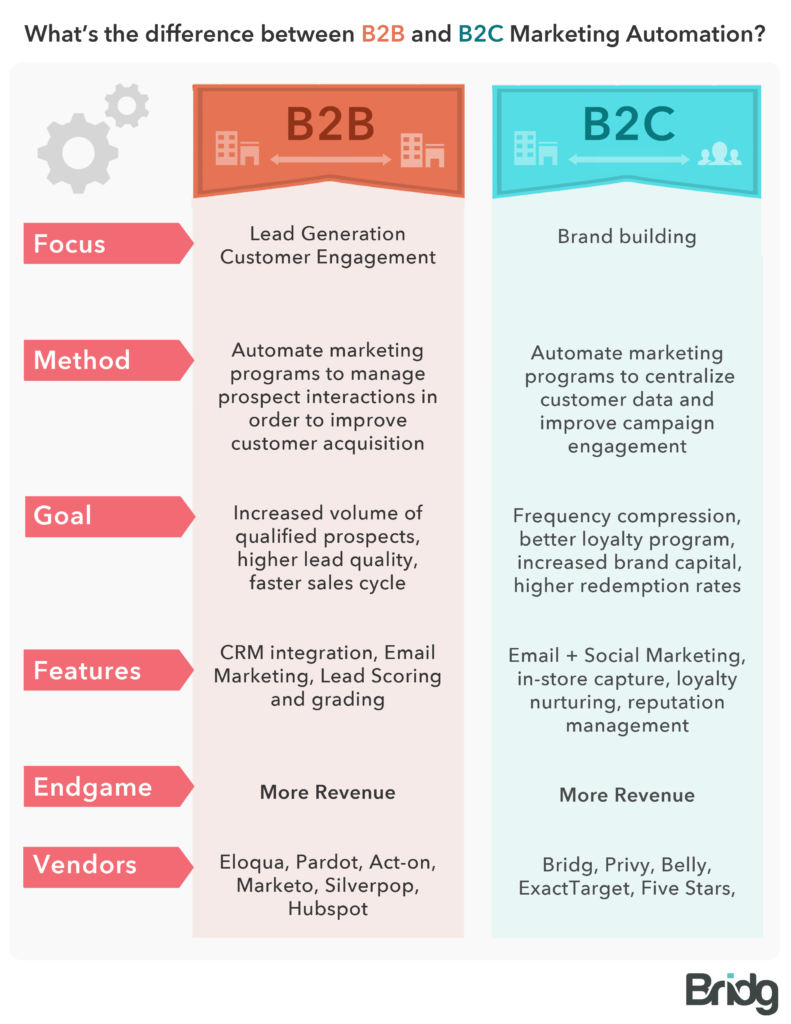
Understanding the key differences between Email Marketing and Email Automation is essential for any marketer. Both methods aim to reach customers via email but differ significantly in execution and purpose.
Manual Vs Automated
Email Marketing often involves manually sending out emails. Marketers craft and send each email campaign at a scheduled time. This approach allows for a personal touch but can be time-consuming.
On the other hand, Email Automation uses software to send emails automatically based on specific triggers or schedules. This method saves time and ensures consistency in communication.
Targeted Campaigns
Email Marketing campaigns are usually broader in scope. They target a wide audience with the same message. This approach works well for general announcements or newsletters.
Email Automation allows for more targeted campaigns. Automated emails can be personalized based on user behavior, preferences, or past interactions. This results in more relevant content for each recipient.
| Aspect | Email Marketing | Email Automation |
|---|---|---|
| Execution | Manual | Automated |
| Time Efficiency | Time-consuming | Time-saving |
| Audience Targeting | Broad | Specific |
| Personalization | Limited | High |
Benefits Of Email Marketing
Email marketing is a powerful tool that can help businesses connect with their audience. It offers numerous advantages that can enhance your marketing strategy. Understanding the benefits of email marketing can help you make the most out of your campaigns.
Customer Engagement
Email marketing allows you to engage with your customers in a direct and personal way. Regular emails can keep your audience informed about new products, services, or promotions. This helps build a relationship with your customers.
With personalized content, you can address the specific needs and interests of your audience. This can lead to higher engagement rates compared to other forms of marketing.
- Personalization: Tailor your messages to individual preferences.
- Timely Updates: Keep customers informed about latest offers.
- Interactive Content: Include surveys and polls to engage users.
Brand Awareness
Consistent email communication can significantly boost your brand’s visibility. When customers regularly see your emails, they become more familiar with your brand. This can enhance brand recall and loyalty.
Emails can showcase your brand’s voice and values, helping to establish a strong brand identity. This can set you apart from competitors and attract a dedicated customer base.
| Benefit | Impact |
|---|---|
| Brand Recall: | Regular emails keep your brand top-of-mind. |
| Brand Identity: | Consistent messaging establishes a recognizable brand. |
| Customer Loyalty: | Familiarity with your brand increases loyalty. |
Benefits Of Email Automation
Email automation offers numerous benefits that can enhance your marketing efforts. It helps streamline processes, saving time and improving efficiency. Let’s delve into the specific advantages of email automation.
Efficiency
Email automation greatly improves efficiency by automating repetitive tasks. This means you can send emails without manual intervention. Here are some key points:
- Saves time by automating routine emails.
- Reduces human error in email campaigns.
- Allows for scheduling emails in advance.
Automation tools can handle large volumes of emails. They manage tasks like follow-ups and reminders. This allows your team to focus on other important activities.
Personalization
Personalization is a crucial benefit of email automation. It helps tailor content to individual recipients. This makes your emails more relevant and engaging. Consider the following advantages:
- Creates personalized content based on user behavior.
- Increases engagement with targeted emails.
- Improves customer experience with customized messages.
With email automation, you can segment your audience. This means you can send specific messages to different groups. Personalized emails tend to have higher open and click-through rates.
| Benefit | Description |
|---|---|
| Efficiency | Automates repetitive tasks, saves time, and reduces errors. |
| Personalization | Tailors content to individual recipients, increasing engagement. |
Implementing email automation can lead to better results in your email marketing campaigns. It helps you work smarter, not harder.
Common Tools
Understanding the common tools used in email marketing and email automation is essential. Different platforms cater to different needs, helping businesses achieve their marketing goals.
Email Marketing Platforms
Email marketing platforms help businesses create and send marketing emails to a list of subscribers. These tools are designed for easy use, allowing users to design emails without coding. Here are some popular email marketing platforms:
- Mailchimp: Known for its easy-to-use interface and templates.
- Constant Contact: Offers a wide range of customizable templates.
- Sendinblue: Combines email marketing with SMS campaigns.
- AWeber: Provides comprehensive email marketing solutions for small businesses.
- GetResponse: Includes features like landing pages and webinars.
Automation Software
Email automation software automates the process of sending emails based on specific triggers and actions. These tools help save time and ensure timely communication. Here are some popular email automation software:
- HubSpot: Offers advanced automation features and CRM integration.
- ActiveCampaign: Combines email marketing with automation and sales CRM.
- Drip: Focuses on eCommerce automation and personalized email campaigns.
- ConvertKit: Designed for creators, offering easy automation workflows.
- MailerLite: Provides simple automation features with an intuitive interface.
Both email marketing platforms and automation software play crucial roles. They help businesses maintain effective communication with their audience. Choosing the right tool depends on your specific needs and goals.
Best Practices
Understanding the difference between Email Marketing and Email Automation is essential. Both have unique best practices to maximize their effectiveness. Let’s dive into these practices to enhance your email strategies.
Content Creation
Email Marketing relies heavily on high-quality content. To create engaging emails, follow these tips:
- Use clear and concise subject lines.
- Ensure your content is relevant to your audience.
- Include a strong call-to-action (CTA).
- Personalize your emails to connect with your readers.
- Use visual elements like images and videos.
For Email Automation, content creation focuses on the entire customer journey. Here’s how to optimize it:
- Create content for every stage of the buyer’s journey.
- Use trigger-based emails to send relevant messages.
- Maintain a consistent brand voice and style.
- Segment your audience for tailored content.
Automation Workflows
Effective Email Automation requires well-planned workflows. Consider these best practices:
- Map out the customer journey and identify key touchpoints.
- Set up trigger events for automated responses.
- Test and optimize your workflows regularly.
- Use analytics to track performance and make adjustments.
For Email Marketing campaigns, manual efforts and regular scheduling are key. Here are some tips:
- Plan your campaigns in advance.
- Use an editorial calendar to stay organized.
- Regularly update and clean your email list.
- Analyze past campaigns to improve future ones.
Credit: solutions.technologyadvice.com
Case Studies
Case studies are a powerful way to understand the difference between Email Marketing and Email Automation. They offer real-world examples of how these strategies work. Let’s explore some case studies to see the impact of both approaches.
Successful Email Marketing
Email marketing can drive engagement and sales. For example, a small online retailer used email marketing to announce a new product line. They crafted a series of engaging emails with:
- Eye-catching subject lines
- High-quality images
- Clear call-to-actions
The result? A 30% increase in product page visits and a 20% boost in sales. This success came from understanding their audience and delivering compelling content.
Effective Automation
On the other hand, email automation can save time and increase efficiency. A SaaS company implemented an automated onboarding process for new users. Their automated emails included:
- Welcome email
- Tutorials and tips
- Progress updates
These emails were triggered by user actions, ensuring timely and relevant communication. The outcome was a 50% increase in user retention and a significant reduction in support queries.
Here’s a comparison of both approaches:
| Aspect | Email Marketing | Email Automation |
|---|---|---|
| Frequency | Manual | Automated |
| Customization | High | Rule-based |
| Efficiency | Time-consuming | Time-saving |
| Engagement | Varies | Consistent |
Both email marketing and email automation have their strengths. Choosing the right strategy depends on your business needs and goals.
Challenges
Understanding the challenges of email marketing and email automation is crucial for businesses. These challenges can affect the success of your campaigns. Let’s delve into the specific obstacles faced in each approach.
Email Marketing Obstacles
Email marketing involves sending promotional emails to a large audience. This approach faces several challenges:
- High Unsubscribe Rates: Recipients may find frequent emails overwhelming.
- Spam Filters: Emails can be marked as spam, reducing visibility.
- Content Relevance: Crafting relevant content for diverse audiences is tough.
- Engagement Metrics: Tracking and improving engagement is challenging.
- Time-Consuming: Creating and sending emails manually is labor-intensive.
Automation Hurdles
Email automation streamlines the process by sending pre-scheduled emails. Despite its efficiency, it has its own set of challenges:
- Technical Issues: Automation systems can face technical glitches.
- Complex Setup: Initial setup and integration can be complex and time-consuming.
- Data Management: Keeping customer data updated is crucial and challenging.
- Personalization: Ensuring personalized content for each user can be difficult.
- Monitoring and Optimization: Constant monitoring and optimizing workflows are necessary.
Both email marketing and email automation have unique challenges. Addressing these can significantly improve your campaign effectiveness.
Future Trends
Email Marketing and Email Automation are evolving rapidly. Understanding future trends can help businesses stay ahead. These trends focus on innovations and advancements in both fields. Let’s dive into what the future holds.
Innovations In Marketing
Email marketing is constantly changing. Marketers are using new tools to engage their audience better. One key trend is personalization. This means emails are tailored to the individual recipient. Personalized emails have higher open rates and better engagement.
Another innovation is the use of interactive content within emails. This includes elements like polls, surveys, and even mini-games. Interactive content makes emails more engaging and fun.
Marketers are also leveraging AI and machine learning. These technologies help in creating targeted campaigns. They analyze user behavior and predict what content will resonate the most.
Advancements In Automation
Email automation is also seeing significant advancements. One major trend is the use of advanced segmentation. This allows businesses to send highly targeted emails based on user actions and preferences.
Another important development is the integration of omnichannel marketing. This means email automation tools now work seamlessly with other marketing channels. It ensures a consistent message across different platforms.
The use of behavioral triggers is becoming more common. These triggers send emails based on specific user actions, like abandoning a cart. They help in improving conversion rates significantly.
Advancements in analytics and reporting are also noteworthy. Modern email automation tools provide in-depth insights. These insights help in refining and optimizing campaigns for better results.
Frequently Asked Questions
What Is Email Marketing?
Email marketing is the practice of sending promotional messages to a group of people via email. It aims to build relationships, promote products, and encourage customer loyalty.
What Is Email Automation?
Email automation involves using software to send emails automatically based on specific triggers or schedules. It helps streamline communications and ensures timely, relevant messages.
How Does Email Marketing Differ From Email Automation?
Email marketing focuses on creating and sending campaigns manually, while email automation uses software to send emails automatically based on triggers.
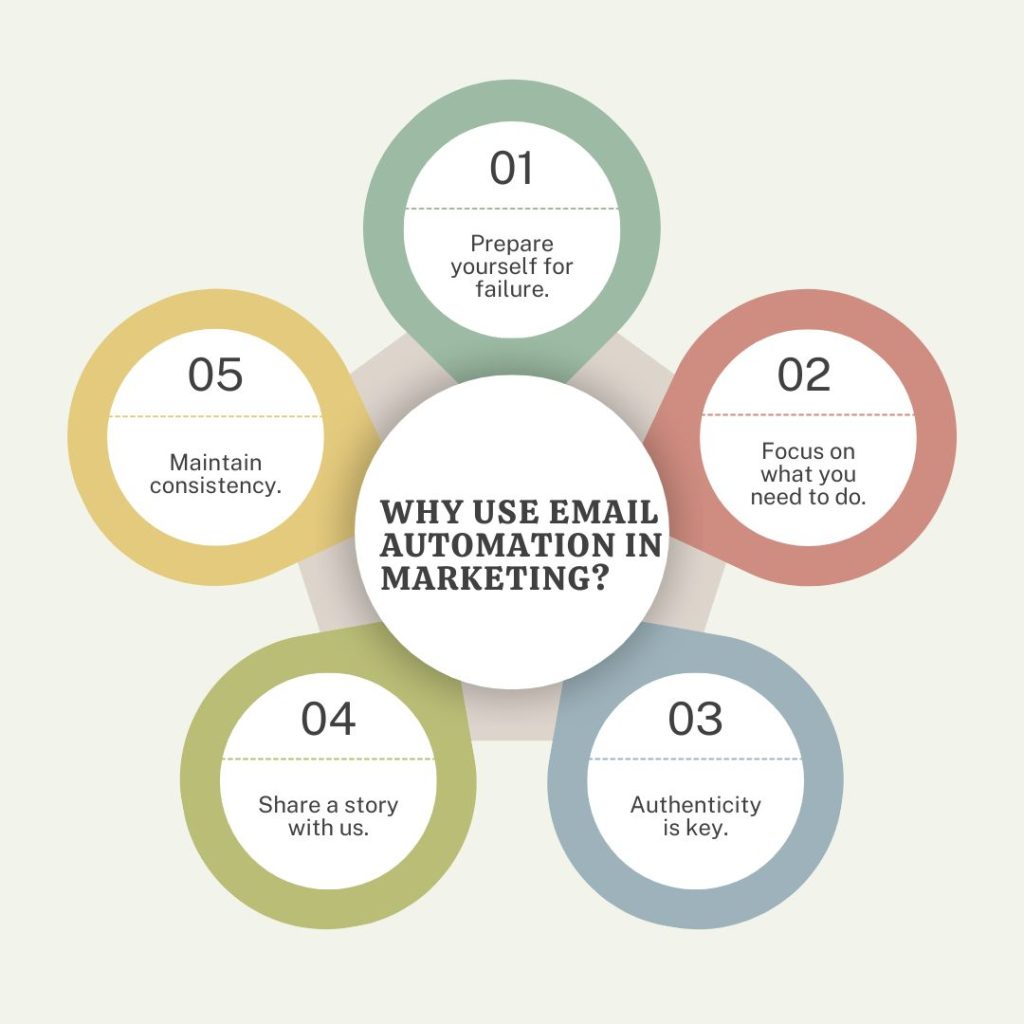
Why Use Email Automation In Marketing?
Email automation saves time, ensures timely communication, and delivers personalized content based on user behavior, improving engagement and conversion rates.
Conclusion
Email marketing and email automation serve unique purposes in business. Email marketing focuses on personal connections and promotions. Email automation handles repetitive tasks, saving time and ensuring consistency. Both methods are valuable tools. Understanding their differences helps maximize your strategy.
Use email marketing for engagement. Use email automation for efficiency. Both combined offer a powerful approach to reaching your audience. Adapt your strategy based on your business needs. Keep learning, adjusting, and refining. This ensures success in your email campaigns.
